
This post may contain affiliate links. As an Amazon Associate, I earn from qualifying purchases.
Think coconut oil is just a kitchen staple? Think again. This tropical oil has become a favorite in the world of beauty and natural health—and for good reason. From taming frizz to soothing irritated or dry skin, coconut oil’s versatility is nothing short of magical.
In this post, we’re sharing some of the most surprising ways to use coconut oil for beauty, wellness, and home. No complicated routines, just simple swaps that deliver real results.
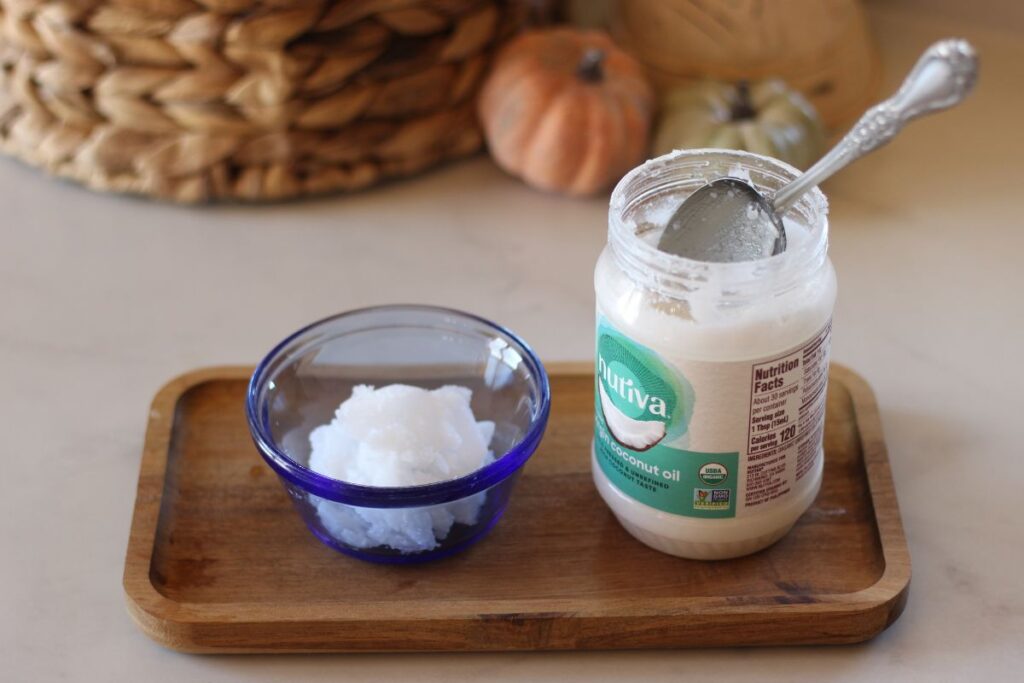
A friend and I had inside joke for a while: we always said, “I bet coconut oil would be good for that,” since it seemed like the answer to everything. 🙂
WHAT IS COCONUT OIL?
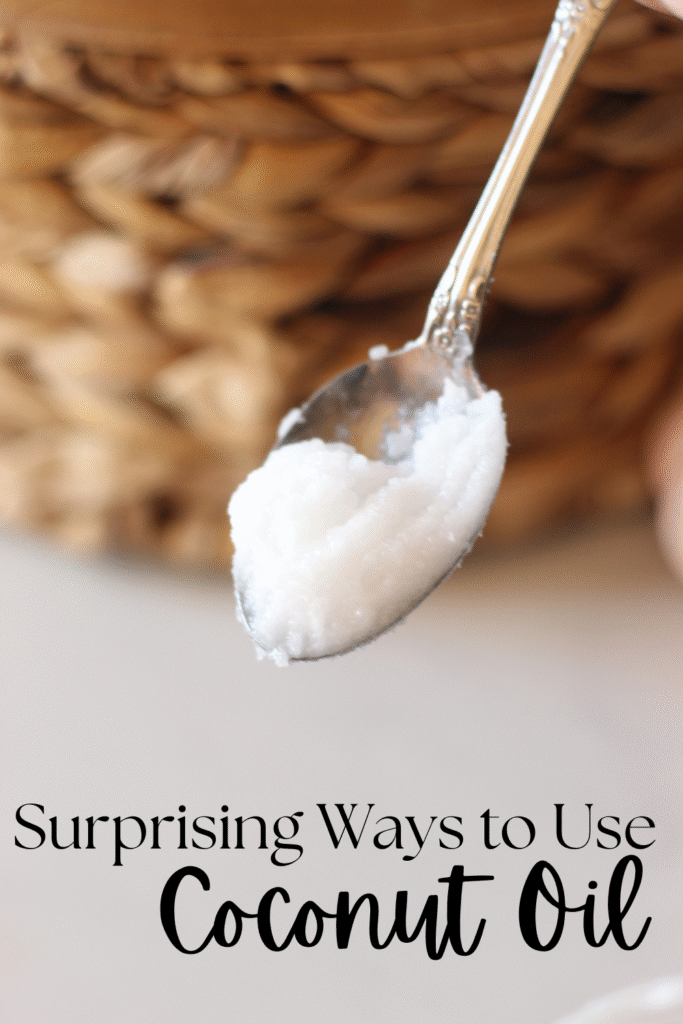
Coconut oil is a natural powerhouse derived from fresh coconut meat, prized for its rich nutritional profile and wide-ranging benefits. Packed with medium-chain triglycerides (MCTs), it’s easily metabolized by the body to provide quick energy and may support body weight management.
Its antimicrobial properties and high lauric acid content make it a popular choice as a topical treatment for minor cuts and wounds.
In skincare, coconut oil acts as a deeply hydrating natural moisturizer, soothing dry or itchy skin and improving elasticity.
Whether used in cooking or to make your own lip balm, coconut oil offers a simple, effective way to enhance your health naturally.
WHAT KIND OF COCONUT OIL SHOULD I USE?
There are various types of coconut oil, and the best choice depends on your intended use. These are generally my suggestions:
- Cooking or baking – use a refined organic coconut oil (non-GMO), if you do not want a strong coconut flavor in your dish. Also note, I suggest refined because it has a little bit higher smoke point than unrefined (refined is around 400 degrees Fahrenheit vs. unrefined is around 350 degrees Fahrenheit). I do not use coconut oil for cooking at high temperatures.
- Skin care & orally – invest in a good quality, organic, non-GMO, extra virgin coconut oil (also known as unrefined). Unrefined coconut oil is less processed and retains a higher amount of its original nutrients, antioxidants, and antimicrobial compounds that benefit the skin and body.
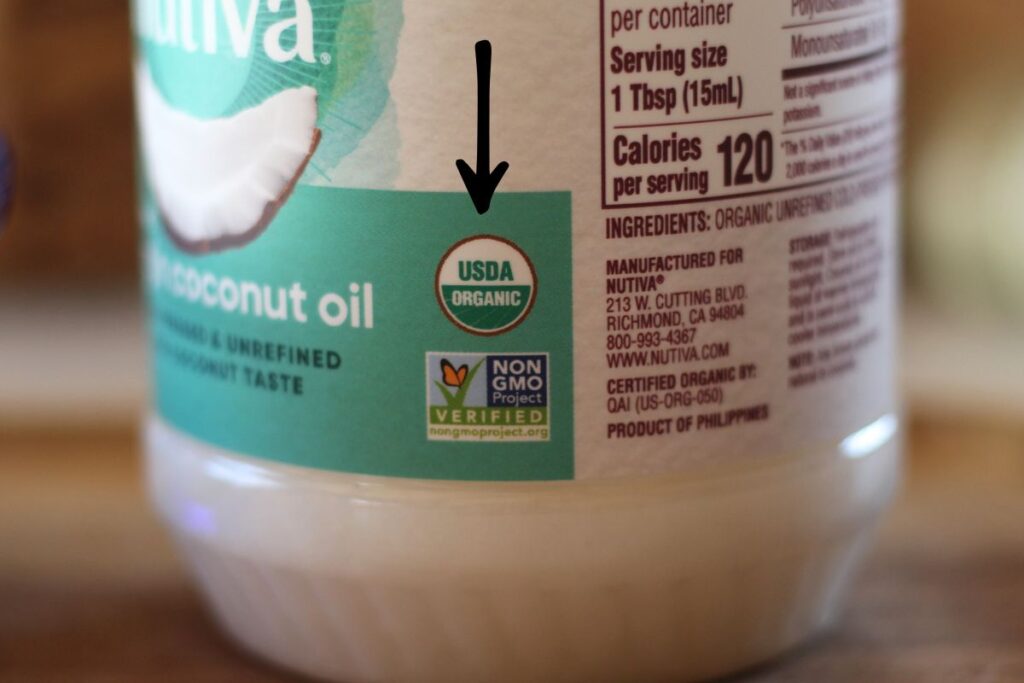
3. Home care – It is not advisable to use a premium coconut oil for routine household purposes. It is recommended to keep a small container of lower-cost coconut oil on hand for general needs as they arise.
SURPRISING WAYS TO USE COCONUT OIL
1. Soothe the burning sensation of sting nettle.
I happened to brush my ankle on some sting nettle this summer. It had been a long time since I’d felt that sensation and forgot how nagging the burning can be. As I rushed into my house to wash my skin, I was thinking about what I should put on it to soothe it. I decided I would try coconut oil and to my surprise it relieved all the pain within just a couple minutes.
Then I had to know why… 🙂
Why does this work? Coconut oil contains compounds like lauric acid and capric acid, which help reduce inflammation. When applied to skin irritated by nettle stings, it can calm redness, swelling, and that itchy, burning sensation.
Which leads me to my next surprising use for coconut oil!
2. Soothe sunburned skin and prevent blisters.
Warning: Dermatologists caution against applying coconut oil immediately after a sunburn. It can trap heat in the skin and worsen inflammation. Wait until the skin feels cool to the touch and is no longer radiating heat before applying (usually 24-48 hours post burn).
After a long day at the pool, you may get into your car realizing how lobster red you look and that you did not reapply your sunscreen as often as you should have. Not that I’m speaking from personal experience, but… 😉
Once your skin is cool to the touch, apply a thin layer of coconut oil to the affected area. This will soothe the pain and prevent blisters from forming.
Why does this work? Once the skin has cooled, coconut oil’s rich fatty acids help hydrate and reinforce the skin’s barrier. Well-moisturized skin is less likely to crack, peel, or blister as it heals.
Coconut oil also contains natural anti-inflammatory properties that can calm lingering redness and irritation. By reducing inflammation, it may lower the chance of blister formation during the healing phase.
Its vitamin E content helps neutralize free radicals caused by UV damage. This antioxidant boost supports skin repair and may reduce the severity of post-burn symptoms like blistering.
3. Replace shortening in recipes.
Research links partially hydrogenated fats/trans fats like some shortenings to harmful health effects such as an increased risk of heart disease, increased inflammation, and increased bad cholesterol levels. I’m not going to go into the nitty-gritty of it, but if you’d like to explore this topic further, please refer to this article authored by Dr. Joshua Axe. It provides a more detailed explanation.
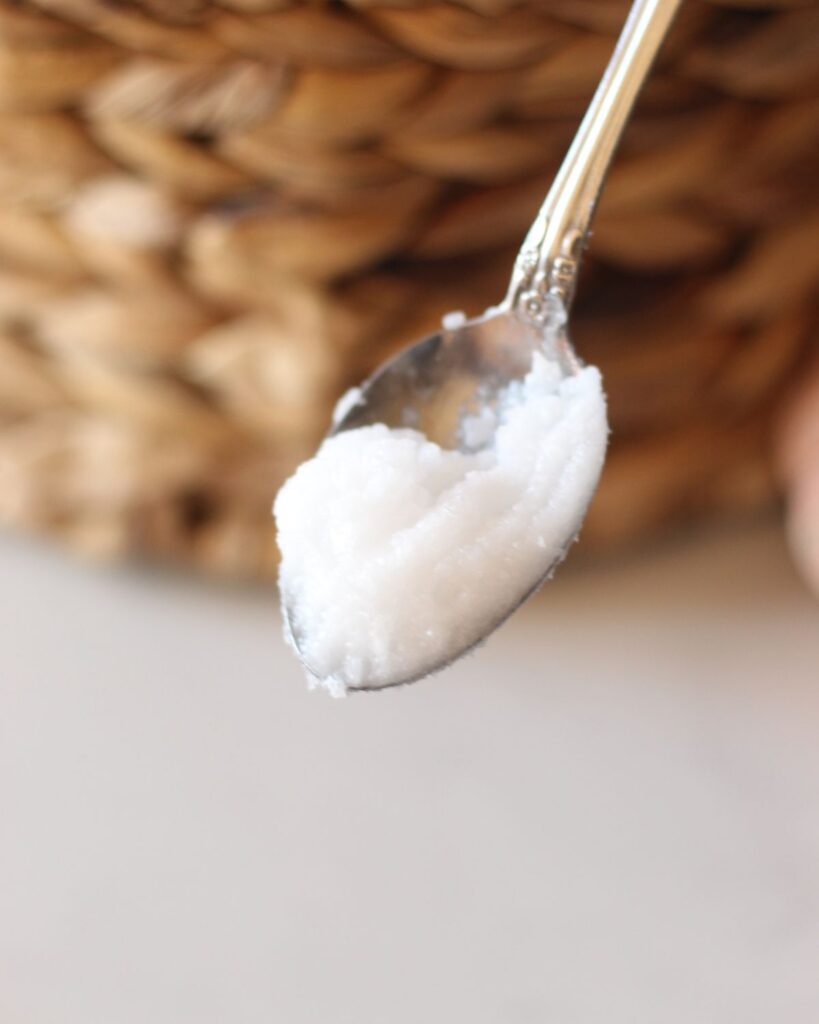
You can easily replace shortening in recipes with refined coconut oil. I highly suggest refined if you do not want a strong coconut flavor in your recipe.
Replace shortening with equivalent amount of room temperature refined coconut oil (not melted). Also, make sure all your ingredients used in the recipe are room temperature (ex. eggs, milk). Coconut oil becomes solid at temperatures below 76 degrees Fahrenheit. When cold ingredients are used, solid coconut oil may persist in the mixture and alter the texture of finished baked goods.
4. Make your own naturally scented wax melts.
Many people assume wax melts are a safer alternative to candles, but recent research suggests they may not be as harmless as they seem. When heated, some store-bought wax scent melts can release volatile organic compounds (VOCs) and airborne nanoparticles — especially when synthetic fragrances react with indoor ozone. These emissions have been linked to respiratory irritation, headaches, and long-term health risks. In fact, studies from Purdue University found that wax melts can pollute indoor air as much as burning candles, despite being flame-free. To minimize exposure, opt for melts made with natural ingredients and scented with essential oils..
To make your own naturally scented wax melts using coconut oil, start by gently melting 1 part coconut oil with 2 parts beeswax pellets in a double boiler until fully liquefied. Once melted, remove from heat, cool slightly, and stir in 15–20 drops of essential oils—lavender for relaxation, citrus for energy, or eucalyptus for clarity. Pour the mixture into silicone molds and let them cool and harden completely, which usually takes a few hours. Once set, pop them out and store in an airtight container. These homemade wax melts are toxin-free, customizable, and perfect for adding a cozy, natural aroma to your space.
5. Use coconut oil to keep your mouth and gums healthy.
Simply swishing a small amount, such as a spoonful of coconut oil daily in your mouth, (also known as oil pulling) can be beneficial for a whole host of reasons.
In fact, coconut oil’s antibacterial properties make it a gentle yet effective remedy for maintaining dental hygiene and health. It can help reduce harmful bacteria in the mouth, freshen breath, and even support the healing of minor irritations. For an extra boost, try adding a drop of clove or peppermint essential oil to your oil pulling routine—both are known for their soothing and antibacterial effects. While it’s not a substitute for brushing and flossing, swishing coconut oil as part of your daily routine can be a simple, holistic way to support a healthier smile.
P.S. Spit the coconut oil in your garbage can, not down your drain!
6. Lubricant for squeaky hinges or stuck zippers.
Got a squeaky hinge or a zipper that refuses to budge? Coconut oil to the rescue! I have to say this is one of the most surprising ways to use coconut oil for me.
For noisy hinges, simply apply a small amount of coconut oil with a cotton swab or cloth directly onto the hinge, then open and close the door a few times to work it in—no more creaks.
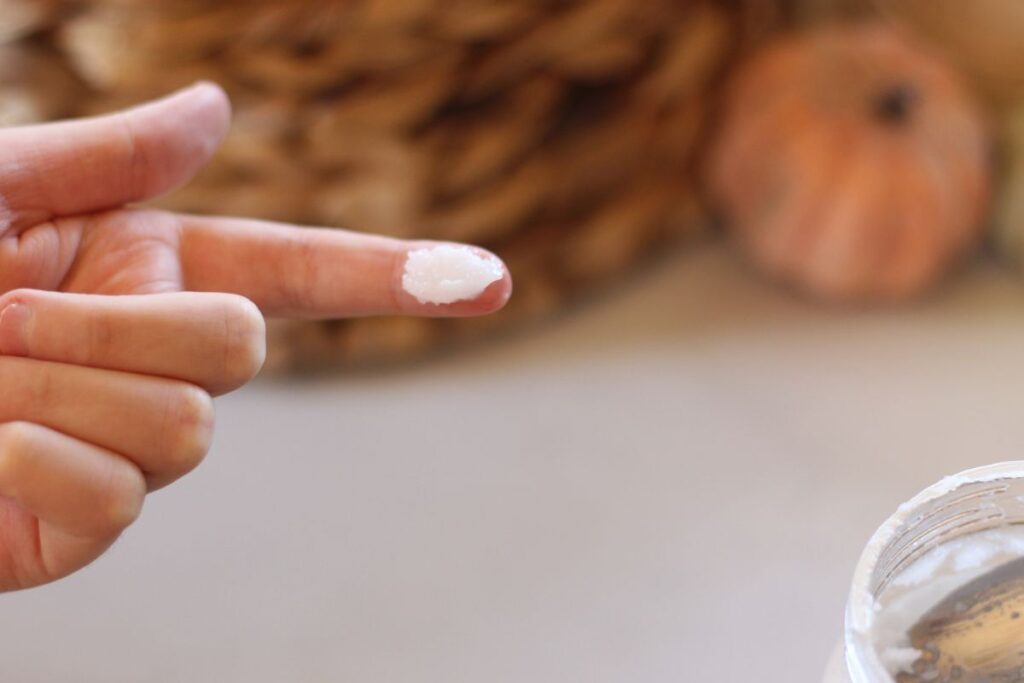
For stuck zippers, dab a tiny bit along the teeth using a cotton swab or your fingertip, then gently wiggle the zipper back and forth until it glides smoothly.
It’s a quick, natural fix that smells better than WD-40 and won’t stain your clothes or furniture.
WHAT SHOULD I NOT USE COCONUT OIL FOR?
While coconut oil offers numerous health benefits and there are various innovative ways to use it, there are only a couple ways I do not advise using it.
I do not recommend incorporating coconut oil into hair care items, any sort of body scrub, or skin care products that uses a large amount of coconut oil and will be rinsed off indoors. Coconut oil may contribute to pipe blockages over time.
Additionally, as mentioned above, coconut oil is not suitable for high temperature cooking. If you’re not familiar with smoke points of cooking oils, check out this article by Serious Eats that explains which oils are best for different cooking methods and why smoke point matters.
So, that’s it! Honestly, there are not many ways I would say you should not use coconut oil. It is an amazing natural superfood that God has blessed us with.
Whether you’re pampering your skin or swishing it as part of your dental hygiene routine, coconut oil proves time and again that it’s more than just a pantry staple—it’s a lifestyle upgrade. The best part? Most of these hacks are simple and affordable.
So go ahead, experiment with a few and see which ones become your new favorite. And if you’ve discovered any surprising ways to use coconut oil that are not on this list, I’d love to hear about it in the comments!

Leave a Reply